







Search Results for: Evolution Fresh
Starbucks divests Evolution Fresh juice business, fully returning to its coffee core track
Starbucks is deeply associated with milk-based coffee drinks like lattes and cappuccinos, but it once also owned a juice brand called Evolution Fresh. Recently, Starbucks officially announced that it would sell the brand to Bolthouse Farms, allowing it to concentrate more resources on growing its coffee beverage business. The deal involves nearly 300 employees and is expected to be completed later this year. From a high-priced acquisition in 2011 to its resale now, the fate of Evolution Fresh reflects Starbucks' strategic swings under different leaders. This article will sort through the ins and outs of this sale, and how Starbucks, after Schultz's return, is refocusing on the U.S. coffee market and responding to the wave of unionization. [more…]

The Evolution of the Three Waves of Coffee: From the Popularization of Instant Coffee to the Pursuit of Quality—Is Instant Coffee Really Harmful to Health?
The development of coffee did not happen overnight, but went through three waves of far-reaching significance. The first wave brought coffee into millions of households in instant form, making it an everyday beverage for the masses; the second wave was sparked by Peet's Coffee founder Peet, who launched a quality revolution that promoted the widespread adoption of Arabica beans and the concept of fresh roasting; the third wave further pushed coffee toward specialization and experiential appreciation. Today, Front Street will sort through the origins and evolution of these three waves, while also answering a common question: is instant coffee actually harmful to your health? By reviewing history, we can more clearly understand the landscape and choices of today's coffee culture. [more…]
The Evolution of Costa Rica's Coffee Industry and a Hand-Brew Flavor Analysis of the Raisin Honey-Processed Mozart Bean
Costa Rican coffee occupies an important position in the global specialty coffee world thanks to its excellent quality and unique processing methods. This article reviews the evolution of the country's coffee industry from its beginnings in the late 18th century to becoming a major export product, and introduces how the honey processing technique that emerged in 2006 gives coffee a distinct sweetness and berry notes. The article also compiles five Costa Rican coffee bean brands worth paying attention to in 2021, covering different styles such as volcanic-soil peaberry, wine-barrel-aged, and high-altitude strictly hard beans, and finally provides domestic consumers with a purchasing reference for Front Street Coffee. [more…]

A Comprehensive Analysis of the Origins, Evolution, Standard Extraction Parameters, and Tasting Methods of Espresso
Espresso is the base for many coffee drinks. From its patented design in the late 19th century to the modern 9-bar extraction standard, its evolution has spanned more than a hundred years. This article begins with its historical origins, traces the iterative development of the principles behind making espresso, explains the formation mechanism of crema and the importance of fresh roasting, and provides SCA extraction parameter references. At the same time, using a properly extracted espresso as a sample, it introduces the complete method from cleansing the palate to tasting in three sips. The article also includes the specific recipe and extraction data for the Sunflower Warm Sun blend coffee beans used in Front Street Coffee (FrontStreet Coffee) store output, for coffee enthusiasts' reference. [more…]

Heart of Africa Burundi Coffee: A Comprehensive Interpretation of Producing Region Evolution, Washed Processing, and Flavor Characteristics
Although Burundi is not as well-known as Ethiopia or Kenya, it has become a force to be reckoned with in Africa's specialty coffee landscape thanks to its high-altitude mountains, excellent terroir, and increasingly refined washed processing techniques. This article provides a systematic overview of Burundian coffee's development, from its historical evolution and producing region distribution to processing methods and flavor profiles. It also specifically shares Front Street Coffee's roasting and cupping experience with a Burundian bean, letting you experience the unique coffee charm of this "Heart of Africa" nation. [more…]

Exploring Asian Origins: An Analysis of the Cultivation History, Variety Evolution, and Flavor Characteristics of Yunnan Coffee
In the global coffee landscape, Asian origins stand out for their herbaceous, fresh-toned character, and Yunnan, China, is a key representative of this style. From the first coffee tree planted by a French missionary in Zhukula in 1892, to the shifts between Typica and Catimor varieties, and now to the specialty exploration of high-altitude Typica in Lincang, Yunnan coffee has traveled a winding yet remarkable path of evolution. In this article, Front Street Coffee will guide you through the cultivation history, main varieties, terroir conditions, and flavor expression of Yunnan coffee, and share Front Street's 2013 Yunnan Typica brewing parameters and tasting notes, so you can experience together the unique coffee charm nurtured by this land. [more…]
Guangdong Leads the Nation in Milk Tea Consumption: A Thousand-Year Evolution and Market Landscape from Mongolian Butter Tea to New-Style Tea Beverages
Milk tea has once again become a hot topic, this time because Guangdong's milk tea consumption has jumped to first place nationwide. Alipay's spring report shows that warmer weather has driven an overall 10% increase in milk tea consumption, with online orders from middle-aged and elderly groups surging by 25%. From the fact that southern provinces account for 80% of consumption to Guangdong residents drinking 2.5 more cups per week per person than those in the Northeast, the data behind this reflects the deep penetration of milk tea culture. This article will trace the thousand-year evolution of milk tea from Mongolian butter tea to Hong Kong-style and Taiwanese-style, and then to new-style tea drinks, analyze the capital layout and brand echelons under a market scale of hundreds of billions, and remind readers: although milk tea is good, do not be greedy. [more…]

The Origin and Evolution of Costa Rican Honey Processing, with a Detailed Guide to Front Street Coffee Geisha Pour-Over Brewing
Why is honey-processed coffee exceptionally sweet? This question has surely lingered in the minds of many coffee enthusiasts. This article begins with Front Street's Colombia · Hope Estate Geisha coffee, tracing the origins and evolution of the honey processing method in Costa Rica, explaining the true meaning of the word "honey," sorting out the logic behind different names such as black honey, red honey, yellow honey, and white honey, and documenting in detail Front Street's complete pour-over parameters and steps for brewing this honey-processed Geisha, guiding you to a comprehensive understanding of this processing method that combines environmental friendliness with flavor advantages. [more…]

The Evolution of Milk Tea Toppings: From Tapioca Pearls to Duck Shit Aroma, the Three CoCo Brothers and the History of Boba Milk Tea
Ordering a milk tea now, pudding, pearls, and grass jelly are already standard options. Thirty years ago, the earliest milk teas were far less elaborate. Starting from 1987, when Taiwan's Chun Shui Tang dropped tapioca pearls into milk tea, the matter of adding toppings has gone through a long process of being banned, recombined, cross-industry experimentation, and a rotating lineup of niche fruits. CoCo都可 combined pearls, pudding, and grass jelly into one drink, giving rise to the now-familiar "Milk Tea Three Brothers." Nowadays the direction of toppings has shifted again—lemon tea is actually more popular without toppings, and new faces like Yashixiang, bergamot, turmeric, and peach gum have appeared one after another. This piece reviews the key milestones in milk tea toppings and also shares some observations from Front Street Coffee on current tea beverage trends. [more…]

An Analysis of the Unique Processing Method, Flavor Evolution, and Front Street Brewing Parameters of Aged Mandheling
Aged Mandheling is a special type of coffee that has undergone prolonged resting and maturation, giving it a flavor distinct from regular Mandheling. It originated in the era of long maritime shipping, and today it relies on strict warehousing management at the origin to "create" beans with soft acidity, full body, honey-like sweetness, and complex aged notes. In this article, Front Street Coffee will start with the origins and key operational points of the aging process, compare the differences between aged beans and fresh beans, analyze changes in green bean appearance and flavor, and include Front Street Coffee's roasting curve, cupping information, and KONO dripper brewing parameters to help coffee enthusiasts understand this "time-brewed" Mandheling. [more…]
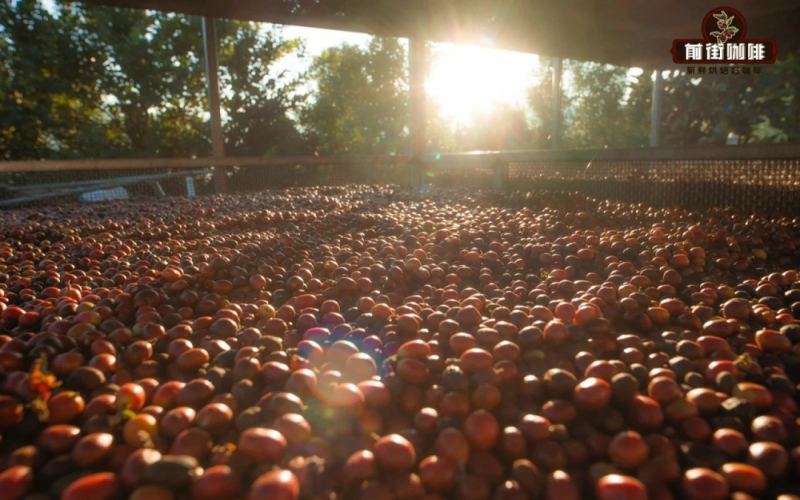
Yunnan Small-Bean Coffee Pour-Over Guide: From Variety Evolution to Front Street Brand Bean Flavor Analysis
Yunnan small-bean coffee is one of the representatives of Chinese coffee, but how much do you really know about it? This article starts with the origin of the variety, sorting out the relationship between Yunnan small-bean and Arabica, as well as the cultivation evolution from Typica and Bourbon to Catimor. At the same time, we will also explain how to buy authentic Yunnan small-bean coffee, and highlight two freshly roasted beans from Front Street Coffee: Front Street Yunnan Small-Bean and Front Street 2013 Sun-Dried Typica, describing in detail their respective flavor profiles and reasons for recommendation, to help you better appreciate the unique charm of Yunnan coffee through pour-over brewing. [more…]

A Comprehensive Analysis of the Flavor Characteristics and Regional Evolution of Yirgacheffe Coffee Beans: From the Sidamo Label to an Independent Origin's Specialty Journey
Yirgacheffe is one of Ethiopia's most representative specialty coffee regions, renowned worldwide for its bright floral and fruity acidity and delicate mouthfeel. This article systematically reviews the evolution of the Yirgacheffe region, its unique terroir conditions, the introduction of the washed processing method and its impact on flavor, and provides a detailed introduction to the flavor differences among the many Yirgacheffe coffee beans on Front Street Coffee's bean shelf, including representative products from different processing methods such as Gutingding, Red Cherry, Kochere, Konga, and Aricha. At the same time, the article also provides Front Street's medium-light roast profiles and V60 brewing parameter recommendations for Yirgacheffe, helping coffee enthusiasts gain a more comprehensive understanding of the terroir charm of this classic African region. [more…]
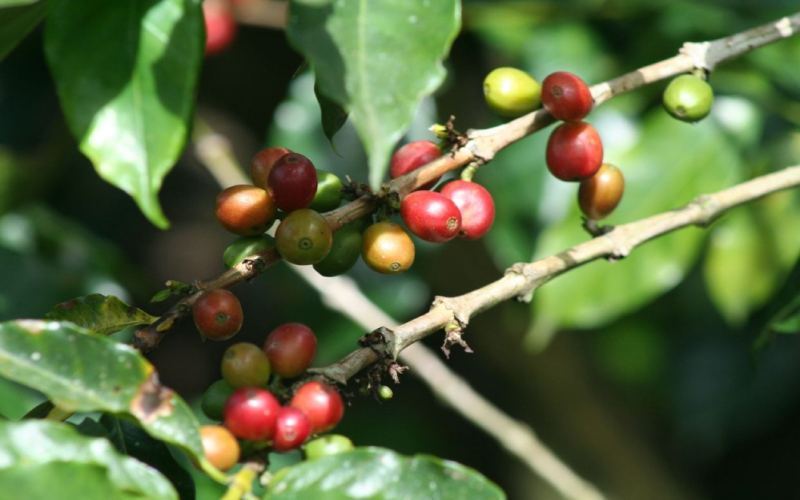
The Evolution and Classification of Costa Rican Honey-Processed Coffee Beans: A Complete Guide to Yellow Honey, Red Honey, Black Honey, and Raisin Honey Processing
Although Costa Rica introduced coffee from Cuba as early as 1729, it long supplied the United States with commercial beans, and its transition to specialty coffee is only a matter of the past decade. To increase export value, the government established a coffee trust fund, and estate owners turned to honey processing one after another, using fine fermentation to create distinctive flavors. This article will review this history, explain in detail the fermentation differences between white honey, yellow honey, red honey, and black honey, and introduce the innovative process of raisin honey processing. The article also specially includes representative products using honey processing methods, such as Front Street Blackberry, Front Street Mozart, and Front Street Strawberry Candy · Geisha Blend, for the reference of coffee lovers. [more…]

Flavor evolution during the roasting cycle: mastering degassing, rest, and the peak-flavor rhythm of espresso beans
Freshly roasted espresso beans contain a large amount of carbon dioxide gas trapped inside. This gas is slowly released over time, and in the early stage it produces a relatively vigorous degassing reaction. If the beans are ground and extracted immediately after roasting, the bubbles tend to hinder full contact between the water flow and the coffee particles, resulting in an unstable extraction flow. [more…]

The Origins and Flavor Characteristics of Latte: From Italian Milk to the Evolution of Espresso
Latte is a classic fusion of espresso and milk, but its origins are far more convoluted than one might imagine—why do some "lattes" contain no coffee? Why do Italians get a glass of milk when they order a Latte? This article traces the complete story of latte, from etymology and history to crafting techniques, following its journey from Italian breakfast tables to cafés worldwide, and shares Front Street Coffee's hands-on experience in ingredient selection, ratio balancing, and crema control, helping coffee lovers understand what makes a good latte. [more…]

Does Moka Pot Coffee Count as Espresso? Tracing the True Origin of Crema Through the Evolution of Extraction Pressure
Both moka pots and espresso machines use pressurized extraction, so many people regard the moka pot as a home version of an espresso machine, and even believe that what it makes is espresso. But can the two really be equated? This article starts with the birth of the coffee machine and its pressure iterations, sorts out the process by which the definition of Espresso was established, and traces the evolution of the moka pot from its introduction in 1933 to the dual-valve version in 2020. You will discover that the pressure gap between 1~2 bar and 9 bar determines the essential difference in coffee concentration and Crema thickness. At the same time, it will also explain what kind of beans to choose if you want moka pot coffee to be richer and have more oils, and why the Front Street Coffee espresso bean series is suitable for home beginners. [more…]
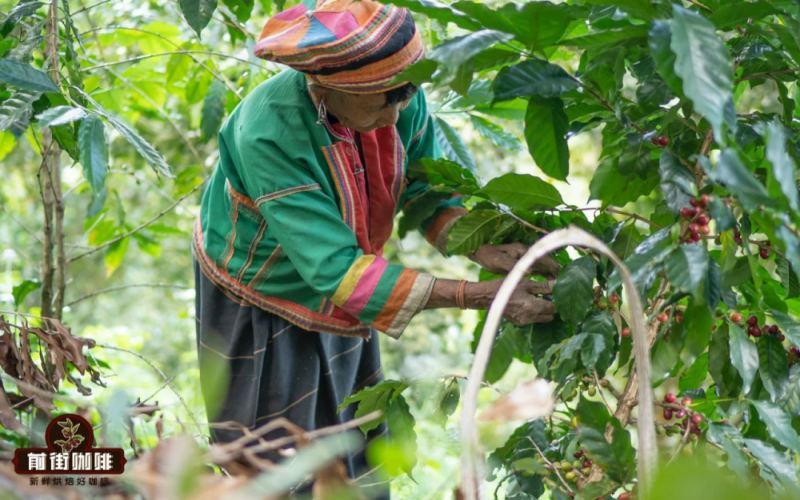
Analysis of the Roasting Methods and Processing Methods of Yunnan Typica Coffee Beans: The Historical Origins and Variety Evolution of Arabica Coffee
The connection between Yunnan and coffee can be traced back a century, when the first coffee tree was introduced by French missionaries. Since then, the coffee industry on this land has undergone a succession of varieties from Typica and Bourbon to Catimor, and has also witnessed a transformation from commercial bulk raw material to specialty coffee. This article sorts out the historical threads and development milestones of Yunnan small-bean coffee, explains the varietal meaning of the term "small bean," and takes a deeper look at the differences between Typica and Catimor in disease resistance, yield, and flavor. At the same time, Front Street will share the cultivation practices, natural processing methods, and medium-roast approach for Yunnan Typica coffee beans, along with suggested pour-over parameters, to help coffee lovers gain a comprehensive understanding of the flavor characteristics and brewing key points of Yunnan coffee. [more…]
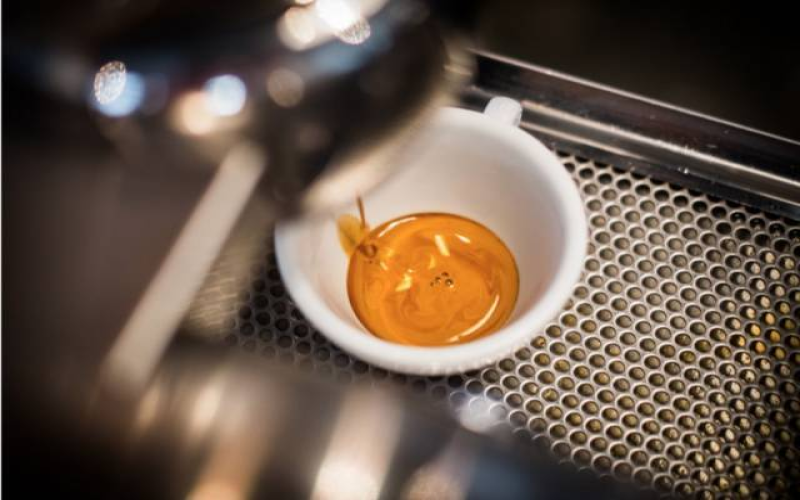
An In-Depth Analysis of the Causes of Espresso Bitterness: A Practical Guide from Historical Evolution to Brewing Adjustments
Espresso, with its rich and concentrated flavor, has become the base for many fancy coffee drinks, yet its intense bitterness keeps many people at a distance. This article begins with the origin and evolution of espresso, analyzes why it is so bitter, and provides a detailed explanation of how crema forms and what factors influence it, along with practical drinking suggestions and adjustment ideas. It also specifically shares the flavor performance and bean-resting recommendations of Front Street Coffee's Sunflower Warm Sun espresso blend, helping coffee enthusiasts gain a more comprehensive understanding of the knowledge behind this "soul of the coffee shop." [more…]
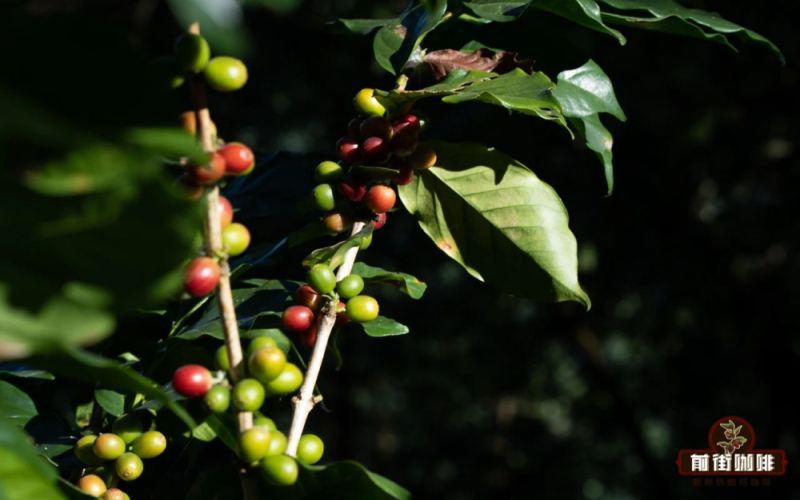
The Century-Long Planting History and Variety Evolution of Yunnan Small-Bean Coffee: Industrial Transformation from Typica to Catimor
Yunnan coffee has traveled a long and winding road of growth, from the first coffee seedling introduced by missionaries a century ago to its current status as a common choice in specialty coffee shops. This article traces the complete story of Yunnan small-bean coffee—its cultivation origins, the evolution of varieties, and the upgrading of the industry—and also explores the distinct characteristics of the two varieties, Typica and Catimor. For coffee lovers who want to understand the flavors of the Yunnan growing region or who are currently choosing a Yunnan single-origin bean, this article offers a comprehensive reference ranging from historical background to practical brewing, and it also includes Front Street Coffee's Yunnan bean brewing recipe and flavor description. [more…]

The Origin and Evolution of Cream Coffee: From Vienna to Cappuccino and Modern Creative Takes
The pairing of cream and coffee has a long history, dating back to 17th-century Austria. This article will take you through the origin story of cream coffee, from the first-generation cream coffee at the Blue Bottle Café, to its evolution into cappuccino, and then to the traditional methods of Con Panna and Viennese coffee. We will also explore how modern baristas are reinventing cream, including a Starbucks secret menu and a recreation tutorial for the Korean-style Viennese coffee. Front Street Coffee sorts out this delicious history and creativity for you. [more…]